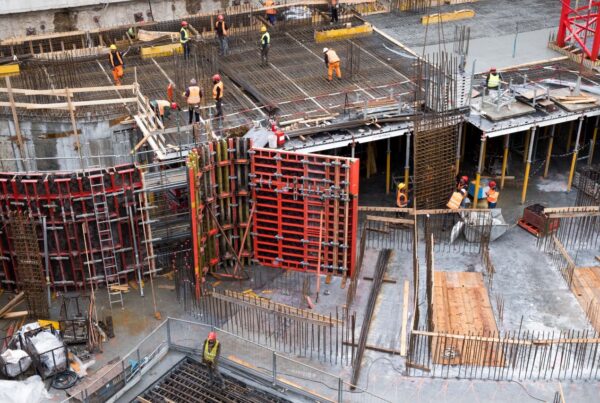

Have you discovered faults or defects in a newly built home? If so, you may have several rights under the Norwegian Bustadoppføringslova (the Norwegian legislation governing contracts for the construction of new homes). Whether the defects are discovered before completion, during the one-year inspection, or several years later, you may be entitled to have the defects remedied, receive a price reduction or compensation, or, in serious cases, terminate the contract.
Here is an overview of what constitutes a defect, which deadlines apply, and what you should do.
What constitutes a defect?
A new home should be delivered in accordance with what you have agreed. This means that the property should be:
- constructed in accordance with the contract
- completed in a professional and workmanlike manner
- in compliance with applicable laws and regulations
- delivered with the materials and solutions that have been agreed
If these requirements are not met, there may be a defect.
A defect may also exist if the contractor has provided incorrect information or failed to disclose information about matters that were relevant to the purchase.
Common defects in new-build homes
Examples of common defects in new-build homes include:
- damp or water damage
- inadequate drainage or incorrect falls in bathrooms
- cracks in walls or floors
- uneven floors
- inadequate ventilation
- defects in electrical installations
- leaking or poorly sealed windows and doors
- inadequate insulation
- deviations from drawings or the specifications of the agreed delivery
Some defects are merely cosmetic, while others may have significant financial consequences if they are not remedied.
Defects discovered before takeover
If you discover defects during the pre-takeover inspection or takeover inspection, you should ensure that all defects are recorded in the takeover protocol.
In the case of serious defects, you may in certain circumstances be entitled to refuse to take over the property until the defects have been remedied. This applies in particular where the property cannot be used as intended or lacks the necessary temporary use permit or final completion certificate.
Notify the contractor as soon as possible
Although the absolute deadline for making a claim may be up to five years, you must notify the contractor within a reasonable period after you discovered, or should have discovered, the defect. Failure to do so may result in you losing your right to make a claim.
A notice of defect should:
- be made in writing
- describe the defect
- include photographs where possible
- ask the contractor to remedy the defect
The sooner you notify the contractor, the easier it will generally be to document the circumstances.
The one-year inspection
After purchasing a new-build home, it is common to carry out a one-year inspection. This is an important opportunity to identify issues that may only become apparent after the property has been used through different seasons.
Before the inspection, it may be useful to:
- go through the entire property, room by room
- test doors, windows and technical installations
- carefully inspect bathrooms and other wet rooms
- document all defects with photographs
- prepare a written list of the defects
Even if a defect is not raised during the one-year inspection, you may still be able to notify the contractor of it later, provided that the applicable deadline has not expired.
What can you claim?
If the property has a defect, the law provides several possible remedies.
-
Remedying the defect
The contractor will normally have the right to remedy the defect first. The remedial work must be carried out at no cost to you, within a reasonable period and without causing significant inconvenience.
-
Price reduction
If the defect is not remedied, or cannot be remedied, you may be entitled to a price reduction. The price reduction will normally correspond to the cost of having the defect remedied.
-
Compensation
If the defect has caused you a financial loss, you may be entitled to compensation. Examples of costs that may be recoverable include:
- additional accommodation expenses
- costs of obtaining an expert assessment
- expenses for temporary accommodation
- other documented additional costs
-
Withholding payment
If you have not yet paid the full purchase price, you may be entitled to withhold an amount sufficient to secure your claim. However, the amount withheld must be reasonably proportionate to the defect.
-
Termination of the contract
If the defect is substantial and cannot be remedied, there may, in exceptional cases, be grounds for terminating the contract. This is subject to a high threshold and requires a specific assessment of the circumstances.
Deadlines for notifying defects
There are two deadlines that are particularly important to be aware of.
The relative deadline
You must notify the contractor within a reasonable period after you discovered, or should have discovered, the defect.
Do not therefore wait before notifying the contractor.
The absolute deadline
For new-build homes, the general absolute deadline for making a claim is five years from takeover. As a general rule, once this period has expired, you will lose the right to rely on the defect.
Documentation is essential
To have the best chance of succeeding with a claim, you should document the matter thoroughly. Keep careful records of:
- the contract
- the specifications of the agreed delivery
- emails and text messages
- photographs
- the takeover protocol
- reports from a surveyor, valuer or other expert where necessary
Good documentation makes it easier to resolve a dispute quickly.
When should you contact a lawyer?
Many claims concerning defects can be resolved directly with the contractor. Nevertheless, you should consider seeking legal assistance if:
- the contractor rejects your claim
- the defect is extensive
- there is a dispute about liability
- the remedial work is taking an unreasonably long time
- the case involves significant financial values
Obtaining a legal assessment at an early stage can, in many cases, contribute to a quicker and better resolution.